
Best Time to Visit Hoi An
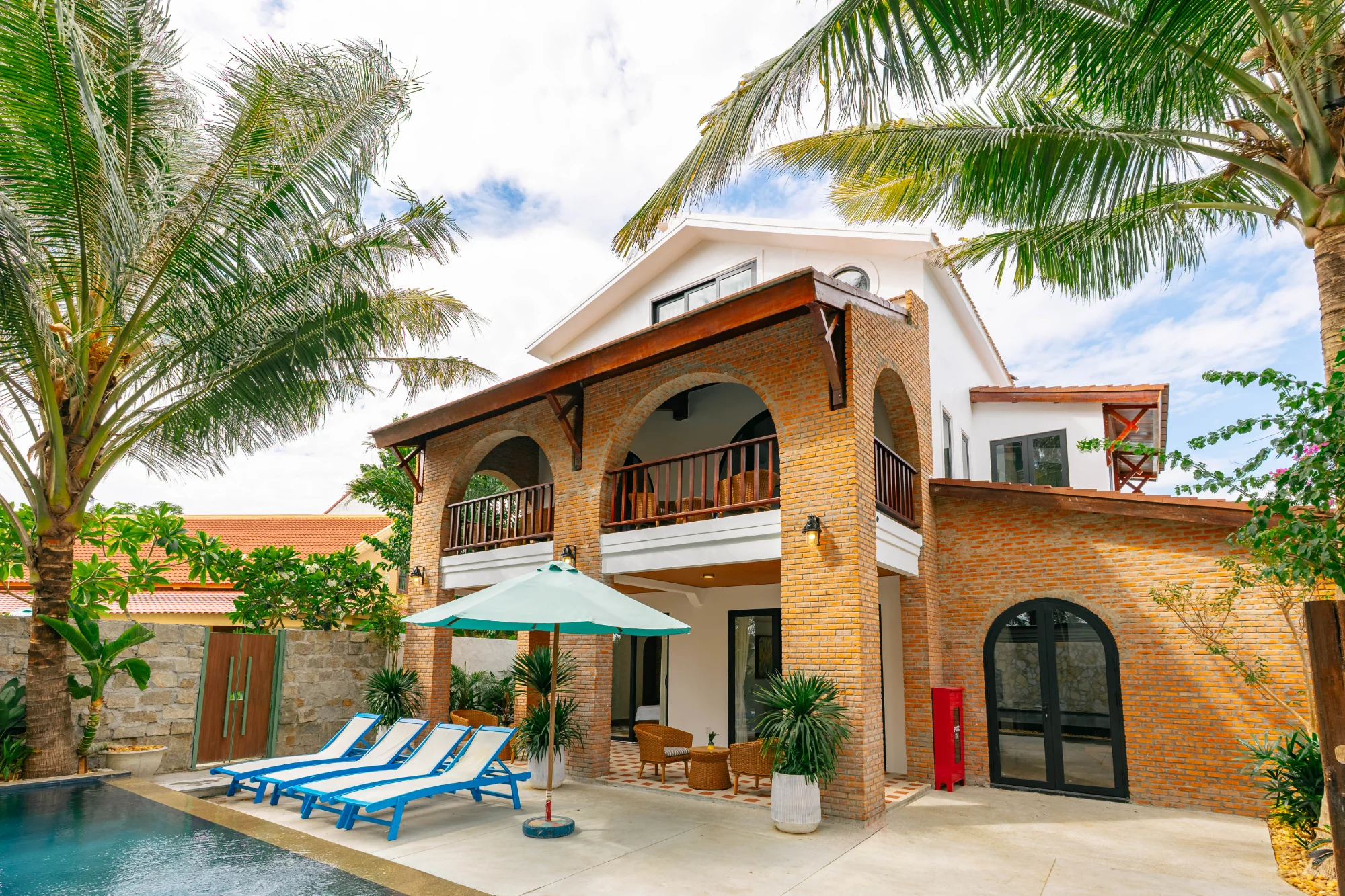
Best Time to Visit Hoi An: Year-Round Weather and Accommodation Prices
February to April is the ideal time to visit Hoi An: the weather is dry and mild, and the sea gradually becomes calmer. From May to August, temperatures are high, but conditions are ideal for swimming. September to December is the rainy season, with October recording the highest rainfall at over 500 mm.
HÙA Homes provides a 12-month weather guide, a schedule of peak and low seasons, and recommendations to help you choose the best time to visit based on your needs and budget.
Quick Answers Based on Your Travel Priorities
If you want to | Best time to visit | Why |
|---|---|---|
Prioritize beach swimming | March – August | Relatively calm seas, clear water, and sea temperatures of 24–29°C |
Enjoy the most pleasant weather | February – April | Dry weather, temperatures of 26–31°C, and little rainfall |
Get the lowest prices | October 1 – December 20 | Low Season 2, with the lowest accommodation prices of the year, but more rain |
Get good prices and pleasant weather | May 3 – June 15 | Low Season 1, with relatively calm seas and fairly dry weather |
Avoid crowds | October – December | A quieter atmosphere with fewer visitors |
Travel with young children | February – May | Not too hot, little rain, and convenient conditions for outdoor activities |
Hoi An Weather Month by Month
Month | High Temperature | Low Temperature | Rainfall (mm) | Rainy Days | Sea Temperature | Swimming Conditions |
|---|---|---|---|---|---|---|
January | 25°C | 19°C | 92 | 13 | 23°C | Cold |
February | 26°C | 20°C | 32 | 6 | 23°C | Cold |
March | 28°C | 22°C | 30 | 5 | 24°C | Suitable for swimming |
April | 31°C | 23°C | 34 | 8 | 26°C | Good |
May | 33°C | 25°C | 56 | 9 | 28°C | Good |
June | 34°C | 26°C | 99 | 11 | 29°C | Good |
July | 34°C | 26°C | 90 | 10 | 29°C | Good |
August | 33°C | 25°C | 104 | 11 | 29°C | Good |
September | 31°C | 24°C | 297 | 16 | 28°C | Suitable for swimming; monitor sea conditions |
October | 29°C | 23°C | 526 | 19 | 28°C | Not recommended |
November | 27°C | 22°C | 363 | 18 | 26°C | Not recommended |
December | 25°C | 20°C | 206 | 15 | 24°C | Cold |
According to this dataset, annual rainfall totals approximately 1,900 mm. Other sources report figures ranging from 1,800 to 2,500 mm, depending on the period covered. October and November alone account for nearly half of the year's total rainfall.
The Three Main Weather Seasons in Hoi An
Dividing Hoi An's weather into four calendar seasons is not particularly suitable. In practice, the local climate can be divided into three main periods.
Cool and Dry Season: February – April
This is the driest period of the year. March receives an average of around 30 mm of rainfall, spread across approximately five rainy days. Temperatures range from 26 to 31°C, making the weather pleasant without excessive heat or humidity.
From March, the sea begins to calm, although the water can still feel a little cold. This is a good time to stroll through Hoi An Ancient Town and experience the local way of life. As this period coincides with the peak season, booking accommodation early gives you more options.
Hot Season: May – August
Daytime temperatures typically reach 33–34°C. In return, sea temperatures rise to around 28–29°C, and the sea is relatively calm, creating ideal conditions for beach holidays and swimming.
Rain still occurs, but it usually comes in short afternoon showers rather than prolonged spells. June is the hottest month.
Accommodation recommendation: Flow House 3 Bedroom An Bang Beach, Hoi An.
Rainy Season: September – December
Rainfall increases significantly in September, reaching 297 mm compared with 104 mm in August, before peaking in October at around 526 mm over 19 rainy days.
This period often brings prolonged spells of rain lasting several days. Riverside areas of Hoi An Ancient Town may experience flooding for around one to three days in October and November.
September to November is also the storm season in Central Vietnam, so check the weather forecast before planning your itinerary.
Peak and Low Season Schedule in Hoi An
Below are the three pricing seasons applied by HÙA Homes.
Season Category | Dates | Characteristics |
|---|---|---|
Peak Season | February 5 – May 2; June 16 – September 2; December 21 – January 3 | Lunar New Year, spring, summer peak season, Christmas, and New Year |
Low Season 1 | January 4 – February 4; May 3 – June 15; September 3 – September 30 | Transitional periods when the weather remains relatively favorable |
Low Season 2 | October 1 – December 20 | The rainiest period, with the lowest accommodation prices of the year |
Note: This is HÙA Homes' pricing calendar and does not necessarily reflect the prices of all hotels and accommodation providers in Hoi An.
The Two Best-Value Periods of the Year
Comparing the weather with the accommodation pricing calendar reveals two periods worth considering if you want favorable travel conditions while keeping costs down.
1. May 3 – June 15 – The Best-Value Period of the Year
This falls within Low Season 1, when the weather becomes hot and relatively dry. The sea is fairly calm, sea temperatures reach 28–29°C, and rainfall ranges from around 56 to 99 mm.
You can enjoy beach conditions close to those of the summer peak season while paying Low Season 1 prices for accommodation.
The main consideration is the high daytime temperature, which reaches around 33–34°C.
2. January 4 – February 4 – The Second-Best Option
This also falls within Low Season 1, with temperatures of around 25–26°C. The weather begins to dry out after the rainy season, making this period suitable for exploring Hoi An Ancient Town, sampling local cuisine, and walking around the town.
The sea is still fairly cold, so this is not the ideal period for a holiday focused on swimming.
Note that this period ends just before Lunar New Year, when accommodation prices enter Peak Season.
By contrast, June 16 to September 2 is the summer peak season. Accommodation prices are generally high while temperatures are at their hottest. If your schedule is flexible, visiting in May or early June can help you save money and enjoy more comfortable conditions for outdoor activities.
How Far in Advance Should You Book?
Travel Period | Recommended Booking Lead Time | Why |
|---|---|---|
Lunar New Year and December 21 – January 3 | 3–4 months | Rooms fill up quickly; some properties require a minimum stay |
June 16 – September 2 (summer peak season) | 2–3 months | Villas with five to six bedrooms are often booked early |
February 5 – May 2 (spring peak season) | 6–8 weeks | High demand, relatively steady throughout the period |
Low Season 1 | 2–4 weeks | A wide range of accommodation options is still available |
October 1 – December 20 (Low Season 2) | 1–2 weeks | The quietest period, when booking closer to arrival may be possible |
Is Hoi An Worth Visiting During the Rainy Season?
Yes, especially if you visit in November or December and swimming is not a major priority.
December is often a better option than many travelers realize. Rainfall drops to around 206 mm, air temperatures remain comfortable at approximately 25°C, and accommodation prices stay among the lowest of the year through December 20, during Low Season 2.
October requires more careful consideration. It is the wettest month, with 19 rainy days, and riverside areas of Hoi An Ancient Town face the highest risk of flooding.
If you travel during this period, consider staying in An Bang or Tan Thanh rather than close to the river. However, coastal areas can also be affected by storms and rough seas. Check the weather forecast before your trip so you can adjust your plans if needed.
Dates to Avoid or Book Well in Advance
Lunar New Year: Accommodation prices are often at their highest of the year, and many local businesses close for several days. Book three to four months in advance.
April 30 and May 1: Domestic visitor numbers typically rise sharply during the late-spring holiday period.
September 2: Vietnam's National Day, which falls within the summer peak season under HÙA Homes' pricing calendar.
Christmas and New Year: December 21 to January 3 is classified as Peak Season, even though it falls close to the year-end low season.
Frequently Asked Questions (FAQ)
When is the best time to visit Hoi An?
February to April offers the most pleasant weather: dry conditions, temperatures of around 26–31°C, and low rainfall. If beach swimming is your priority, May to August is more suitable, although temperatures can reach 33–34°C.
Which month has the most rain in Hoi An?
October has the highest rainfall, at around 526 mm over 19 rainy days. November ranks second, with approximately 363 mm. Together, these two months account for nearly half of the year's total rainfall.
Which months are best for swimming in Hoi An?
The most suitable period is March to August. Sea temperatures are warmest from May to August, at around 28–29°C. In October and November, waves are often stronger and the water is murkier. Avoid swimming whenever sea or weather conditions are unsafe.
When is the peak tourist season in Hoi An?
According to HÙA Homes' pricing calendar, there are three Peak Season periods: February 5 to May 2, June 16 to September 2, and December 21 to January 3.
Accommodation prices are generally lowest during Low Season 2, from October 1 to December 20.
When can I enjoy good weather in Hoi An at a reasonable price?
May 3 to June 15 is a period worth considering. It falls within Low Season 1, yet the sea is relatively calm, sea temperatures reach 28–29°C, and rainfall remains fairly low.
The main consideration is that daytime temperatures can reach 33–34°C.
How far in advance should I book accommodation in Hoi An?
If you are visiting during Lunar New Year or at the end of December, book three to four months in advance. For the summer peak season, book two to three months ahead; for the spring peak season, book six to eight weeks ahead.
During Low Season 2, from October to December, you can book around one to two weeks in advance. However, check the weather forecast and cancellation policy before confirming your reservation.